A water heater is one of the most essential appliances in your home because it provides the hot water needed for a wide range of everyday tasks, from taking warm showers and efficiently washing dishes to doing laundry and taking care of a host of other daily responsibilities requiring hot water. But the question is: how often should you replace your water heater? Knowing the average lifespan of these critical devices, combined with knowledge of the warning signs signaling impending failure, can be of great help to homeowners in Miami. This will enable them to avoid inconvenient breakdowns and potentially costly water damage that may disrupt their lives daily.
Water heaters are not designed to last forever, and waiting too long to replace an aging unit can lead to unexpected leaks, poor water heating, and even safety hazards. Knowing when to plan a replacement is key to maintaining comfort and efficiency in your home.
Who Benefit’s from Knowing When to Replace a Water Heater
Homeowners, landlords, and property managers in Miami can significantly benefit from knowing the right time for water heater replacement. Properly timed replacement ensures:
- Taking early steps to prevent sudden breakdowns that leave you without hot water.
- Preventing water damage due to leaks or ruptured tanks
- Cutting down on energy bill costs can be done by making sure that one has a very efficient system.
- Increasing safety precautions by replacing unit’s that can corrode or might have overheating problems.
Whether you own a single-family home or manage multiple rental unit’s, understanding water heater replacement schedules protects your investment and keeps your property running smoothly.
Signs That You Need to Replace Your Water Heater
Even with regular maintenance, water heaters have a limited lifespan. Be on the lookout for these common signs that it’s time for a replacement:
The Age of the Unit
Most conventional tank water heaters typically last anywhere from 8 to 12 years, while tankless water heaters are designed to be long-lasting and can often go anywhere from 15 to 20 years. If you are finding that your water heater is approaching these age markers, consider scheduling an inspection so that a qualified technician can take a close look at it’s condition and performance.
Rusty Water or Leaks
Reddish water flowing from your fixtures usually shows corrosion within the tank. Water leaks around the water heater’s base are also a sign of trouble. Failure to address these problems will cause flooding and costly repairs.
Strange Noises
Banging, popping, or rumbling noises from your water heater typically indicate that sediment has accumulated in the tank. Sediment will decrease heating efficiency and ultimately destroy the unit.
Inefficient Heating
If your water heater can no longer maintain a hot temperature or depletes too quickly, it may be nearing the end of it’s life. If you find yourself making constant repairs or the hot water is unreliable, those are signs that replacement is in order.
Average Lifespan of Various Types of Water Heaters
It is essential to have a thorough knowledge of the lifespan of your specific kind of water heater because it enables you to properly prepare for upcoming maintenance and replacements:
- Tank Water Heaters: 8-12 years
- Tankless Water Heaters: 15-20 years
- Electric water heaters typically have a slightly longer lifespan than gas unit’s.
- Gas Water Heaters: Usually 8-12 years
- Proper maintenance can lengthen these lifespans, but sooner or later, replacement is unavoidable.
Tips to Increase the Life of Your Water Heater
Regular maintenance can postpone the necessity of replacement and keep your water heater in good working condition:
- Flush the Tank Yearly: Sediment accumulation diminishes efficiency and can ruin the tank in the long run.
- Check the Anode Rod: This rod inhibit’s corrosion; it’s replacement when worn out can add years to your water heater’s lifespan.
- Monitor Temperature Settings: Set the thermostat to 120°F to avoid overheating and minimize wear.
- Schedule Professional Inspections: Professional plumbers can identify minor problems before they turn into significant issues.
- By taking these easy steps, homeowners in Miami can optimize the performance and durability of their water heaters.
When to Call a Professional
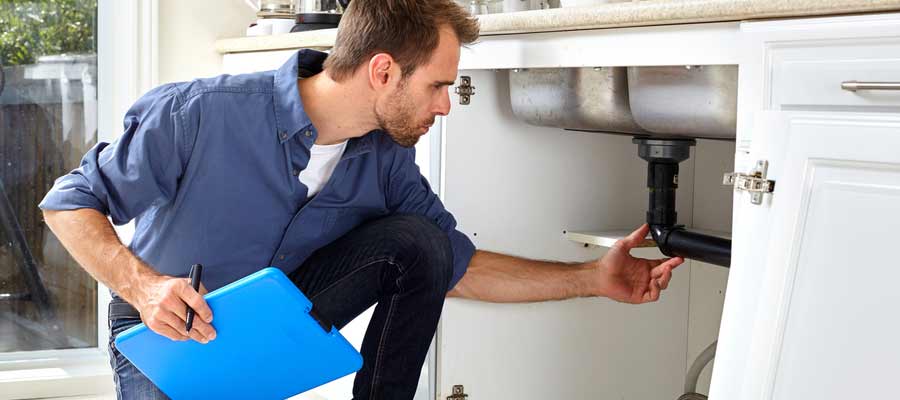
Installing a water heater is not only a matter of convenience-it’s also a safety issue. Gas connections, electrical connections, and plumbing are not things to be worked on by amateurs. A Miami licensed plumber can:
- Assess the present state of your water heater
- Recommend the most suitable replacement according to your home’s requirements
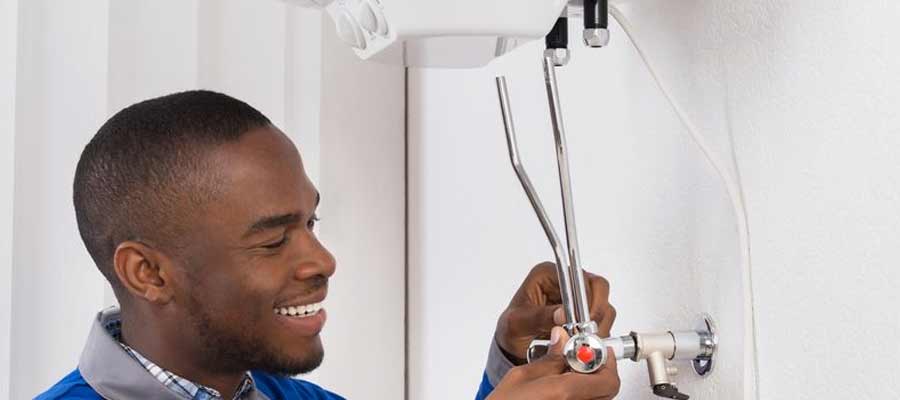
- Install the new unit efficiently and safely
- Provide regular maintenance to avoid future problems
Professional installation ensures that your water heater operates at peak performance and complies with local Miami building codes.
Why Select Residential & Commercial Plumbing Diagnostics of Miami
If you are in the beautiful city of Miami and wondering how often a water heater replacement is needed, look no further than Residential & Commercial Plumbing Diagnostics of Miami, your trusted and dependable local plumbing contractor. Our licensed experts are at your service to offer you:
- Complete and comprehensive inspections of water heaters
- Effective repairs and maintenance
- Complete water heater replacement services
- Expert tips on how to maximize your unit’s life
We provide service to homeowners and businesses throughout Miami, keeping them comfortable, secure, and efficient all year round. For more information, contact:
Residential & Commercial Plumbing Diagnostics of Miami
Address: 12011 SW 129th Court, Unit 2, Miami, Florida 33186
Phone Contact: (786) 250-4557
Website: https://pd.serpeton.com/
Don’t wait for that unexpected cold shower or leaking tank-call us today to book your water heater inspection or replacement. Our technicians will ensure you have consistent hot water when you need it most.
Conclusion:
Understanding how frequently water heater replacement is necessary can help Miami homeowners conserve time, money, and anxiety. The majority of tank water heaters have a lifespan of 8-12 years, whereas tankless water heaters have a lifespan of 15-20 years. Be on the lookout for signs such as leaks, rusty water, unusual sounds, or ineffective heating. Proper maintenance and professional checks can prolong your unit’s lifespan, but when the time arrives, dealing with a reputable Miami plumbing business guarantees a trouble-free replacement procedure.