FACT: Most traditional tank water heaters last 8-12 years, and tankless units last 15 -20 years. However, Miami-Dade’s heat, hard water, aging sewer infrastructure, flood risk, and soil conditions often shorten the lifespan of both. Plan and replace before a catastrophic failure.
What Determines the Lifespan of a Water Heater?
Type of Water Heater
-
Traditional tank: Typically 8 – 12 years. Sediment from mineral-rich Florida water accumulates on the tank bottom, causing efficiency loss and corrosion over time.
-
Tankless: Often 15 – 20 years with proper maintenance. They’re more energy-efficient but require periodic descaling in areas with aggressive water to maintain their lifespan.
Local Water Quality & Soil
-
Miami-Dade’s water minerals cause sediment and scale buildup, forcing heaters to run longer and fail earlier. Homes built on porous limestone can experience more severe corrosion and hidden leaks that exacerbate the issue.
Maintenance & Usage Patterns
-
Regular maintenance (annual flushes, anode rod replacement, and inspections) can extend life by several years. Heavy household usage, multi-family units, or poorly ventilated installation spaces can all shorten the service life.
Key Warning Signs You Need Replacement
Age of the Unit
-
If your unit is approaching or has exceeded 10 years of age, begin budgeting for replacement. Older units may still function, but critical components can degrade, and a sudden failure can cause flooding in your home, especially during the rainy season.
Rusty or Discolored Hot Water
-
Rust-colored hot water is a sign of internal corrosion. That means the tank lining or anode rod has failed, and a leak could be imminent. Replace rather than repair when corrosion is visible.
Loud Rumbling or Popping
-
These sounds mean sediment buildup. It can sometimes be remedied temporarily with flushing, but repeated noise often signals a tank nearing the end of its life.
Leaks or Pooling Water
-
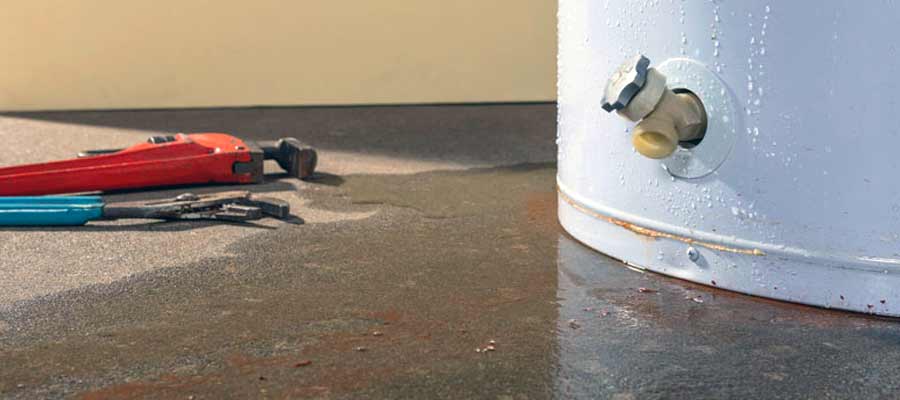
Visible leaking from the tank base or fittings typically requires immediate replacement. In Miami-Dade, leaks can quickly damage slab foundations or saturate soil, increasing remediation costs.
Repair vs. Replace How to Decide
-
Repair if the issue involves a replaceable component, such as a heating element, thermostat, valve, or pressure relief valve. Repairs are cost-effective for newer tanks or when the unit is less than 8 years old.
-
Replace the unit if it has visible corrosion, the tank has visible corrosion, the unit is 10 years or older, you’re experiencing repeated repairs, or the cost of repairs approaches the replacement price. Replace when the risk of a flooding event is high. Miami’s heavy rains and flooding potential make conservative choices a sensible choice.
-
Pro tip: If you plan to stay in the home and want energy savings, consider tankless or high-efficiency models. If you’re planning to sell soon, consider weighing the upfront cost against buyer expectations in local markets like Coral Gables or Kendall.
How Water Heater Replacement Is Done (Step-by-step)
Inspection & Quote
-
Licensed plumbers evaluate system type, capacity needs, venting, existing piping, and potential code issues. For Miami-Dade homes, we also check flood elevation and slab or crawlspace conditions to recommend the best location.
Permits & Code Compliance
-
Miami-Dade requires permits for the replacement of water heaters. A licensed contractor files the permit, schedules inspections, and ensures the installation meets Florida Building Code and local flood and venting rules.
Removal & Installation
-
The old unit is safely disconnected, drained, and removed. The new unit is installed with proper venting, pressure relief, an expansion tank (if required), and updated piping where necessary. Final inspection and testing complete the job.
Cost Factors: What Affects the Price in Miami-Dade
-
Type of unit: Traditional tanks are less expensive to purchase and install; tankless units, on the other hand, cost more upfront but reduce energy bills and have a longer lifespan.
-
Capacity & size: Larger homes or multi-bath properties require greater capacity or multiple units, which increases equipment and labor costs.
-
Installation complexity: Upgrading venting, adding a new pad or platform to meet floodplain requirements, moving the unit, or repiping increases labor time.
-
Permitting & Inspection: Permit fees and mandatory inspections are typical in Miami-Dade. Licensed professionals include these costs in their quotes to ensure compliance with all applicable codes.
Trenchless vs. Traditional Related Work
-
Trenchless methods apply to sewer/pipe replacement work that may be required if the water heater leak has affected buried lines. Trenchless minimizes yard disruption and can be more cost-effective for sewer or mainline replacement in Miami’s fragile soils.
-
If a tank leaks saturated soil or requires mainline repair, we evaluate trenchless options versus traditional dig-and-replace methods, considering local groundwater levels and permit requirements.
Prevention Tips: Make Your Next Water Heater Last Longer
-
Annual flush: Flushing tank water heaters yearly removes sediment and reduces stress on heating elements and the tank bottom.
-
Anode rod replacement: Replace every 3-5 years in Miami’s water to prevent rust from reaching the tank shell.
-
Water filtration: Whole-house filtration or water softening reduces scale and sediment buildup, helping all plumbing fixtures last longer.
-
Regular inspections: Licensed plumbers can detect early signs of failure, preventing thousands of dollars in damage, especially in flood-prone neighborhoods.
Local Miami-Dade Considerations You Can’t Ignore
-
Miami-Dade’s aging sewer and water infrastructure can magnify issues; a small leak may quickly affect sewer lines or underground piping. It’s common for older neighborhoods, such as Miami Beach and Coral Gables, to require a more comprehensive scope when replacing equipment.
-
Seasonal heavy rains and hurricane-driven flooding increase the risk of corrosion, making elevated or protected installations preferable. Could you check your property elevation and flood-zone requirements before selecting an installation location?
-
Soil conditions (porous limestone) can allow leaks to spread unpredictably, complicating both diagnostics and remediation. Our experience in Miami-Dade and Broward helps us anticipate these issues and propose robust solutions.
Frequently Asked Questions (FAQs)
How long does a replacement take?
-
Most replacements are completed in 3–6 hours. Complex installs that require venting upgrades or repiping may take longer and could require additional inspections.
Do I need a permit?
-
Yes. Miami-Dade County requires permits for the installation and replacement of water heaters. Licensed plumbers handle the paperwork and inspections to keep your home code-compliant.
Should I choose a tankless system or a traditional tank?
-
Tankless units last longer and save energy, but they cost more upfront and require descaling in areas with hard water. Tanks are less expensive initially and simpler to service, but may fail earlier in Miami’s mineral-rich conditions.
Can I replace it myself?
-
DIY is not recommended due to the complexities of electrical/gas, venting, and permitting requirements. Unlicensed work can lead to code violations, unsafe installations, and denial of insurance claims in the event of a loss.
Services We Provide
-
Water Heater Installation: We size and install tank and tankless systems, ensure proper venting and location, pull permits, and perform final inspections. Our installations comply with the Florida Building Code and local flood elevation practices.
-
Water Heater Repair: We diagnose heating element failures, thermostats, valves, and leaks. Repairs are performed quickly when appropriate, and we recommend replacement if repairs won’t restore long-term reliability.
-
Leak Detection & Repair: We utilize electronic leak detection and camera inspection to locate hidden leaks in walls, beneath slabs, or in buried lines, a crucial step when a water heater leak is suspected.
-
Plumbing Maintenance: Annual service plans include tank flushes, anode checks, pressure relief testing, and minor repairs to keep systems running longer in Miami’s harsh conditions.
-
New Construction & Remodel Plumbing: We design and install water heating systems for new homes and remodels, coordinating with inspectors and builders to ensure timely completion and compliance with code requirements.
-
Sewer & Drain Services (Including Hydro Jetting): If a water heater leak affects drains or sewers, we provide clearing, hydro jetting, and trenchless repair options to restore system flow with minimal disruption.
Why Trust Residential & Commercial Plumbing Diagnostics of Miami?
-
We are a family-owned, woman-led company, and we are licensed & insured across Florida. With over 28 years of experience in Miami-Dade and Broward, we’ve handled thousands of water heater jobs, ranging from emergency replacements to planned upgrades.
-
Our technicians prioritize code compliance, safety, and precise cost estimates, enabling you to make informed decisions. We handle permits, inspections, and all paperwork required by Miami-Dade County.
Call to Action: Schedule an Inspection
Don’t wait for a flood or loss of hot water. Contact Residential & Commercial Plumbing Diagnostics of Miami at (786) 250-4557 or visit https://plumbing-diagnostics.com to schedule a professional water heater inspection and receive an estimate. We serve Miami-Dade and Broward counties, handling permits, installation, and post-job inspections to ensure peace of mind.
Company Info
Residential & Commercial Plumbing Diagnostics of Miami
12011 SW 129th Court, Unit 2, Miami, Florida 33186
Phone: (786) 250-4557
Service Areas: Miami-Dade County & Broward County, FL