Septic System Installation in South Florida
Here’s the bottom line: If you live in one of Miami-Dade’s rural or semi-rural communities — places like Redland, Homestead, Cutler Bay, Florida City, or Goulds — chances are your home depends on a septic system. And if you’re building new, remodeling, or replacing an aging tank, a professional septic system installation is one of the most critical investments you’ll make for your property’s safety and long-term value. At Residential & Commercial Plumbing Diagnostics of Miami, we’ve spent over 28 years helping homeowners and businesses throughout Miami-Dade install, repair, and maintain septic systems that meet strict county and state environmental codes. As a family-owned, woman-led company, we combine the professionalism of a large service provider with the personal touch of a trusted neighborhood plumber.
Why Septic Systems Still Matter in Miami-Dade
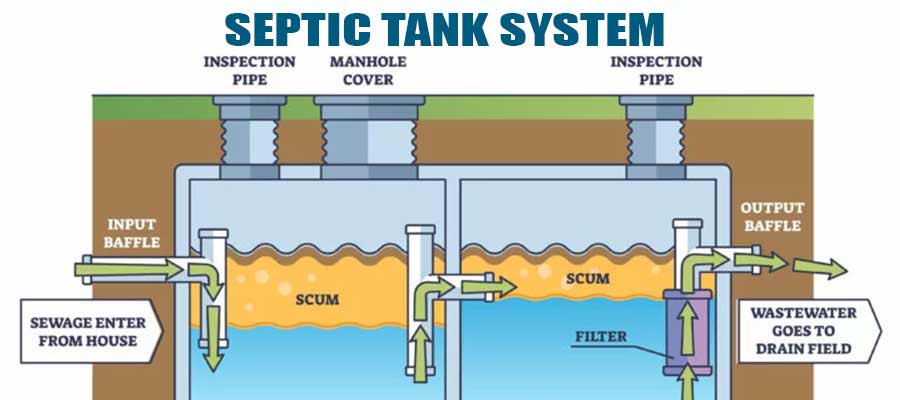
While much of the county has transitioned to municipal sewer systems, many outlying areas still rely on septic tanks. In communities like The Redlands, Country Walk, and parts of Homestead and Florida City, sewer access simply isn’t available or practical due to distance and infrastructure limits. Septic systems are self-contained wastewater treatment setups. They’re designed to handle all your household waste — from sinks, showers, toilets, and laundry — safely underground. When properly installed and maintained, they can operate efficiently for decades without contaminating soil or groundwater. The catch? Miami’s unique soil composition and high water table can complicate installation. That’s why experience matters — especially in a county that floods easily during hurricane season or heavy rains.
When You Might Need a New Septic System
There are a few clear signs it’s time to consider a new septic installation or replacement.
- Persistent Drain or Toilet Backups: If you’ve had your tank pumped and the problem returns, your system might be failing underground. In Miami-Dade’s older neighborhoods, aging drainfields are a common culprit.
- Standing Water or Odor in the Yard: Soggy patches near your drainfield often mean wastewater isn’t being absorbed properly. With our county’s clay-heavy soils, this is a frequent red flag that the drainfield or tank has reached the end of its lifespan.
- Major Home Additions or Remodeling: If you’re adding a bedroom, extra bathroom, or converting a garage into an in-law suite, the existing septic system may not meet the new capacity requirements under Miami-Dade County building codes.
- Failed Inspections During Property Sale: Real estate transactions often trigger required inspections. If your system fails a county-mandated test, replacement or rehabilitation becomes mandatory before the sale closes.
How Septic System Installation Works
Installing a septic system in Miami-Dade isn’t a weekend DIY project — it’s a carefully engineered, multi-step process governed by strict environmental and building regulations.
- Site Evaluation and Soil Testing: We start by testing your soil to measure absorption rate and groundwater depth. In areas like Goulds and Redland, the ground can be sandy, while other parts of the county may be more clay-like — both conditions require different drainfield designs.
- Permitting and Design Approval: Before any excavation begins, our licensed team handles all Miami-Dade County Department of Health permitting. This includes system design approval, setback compliance, and flood-zone verification.
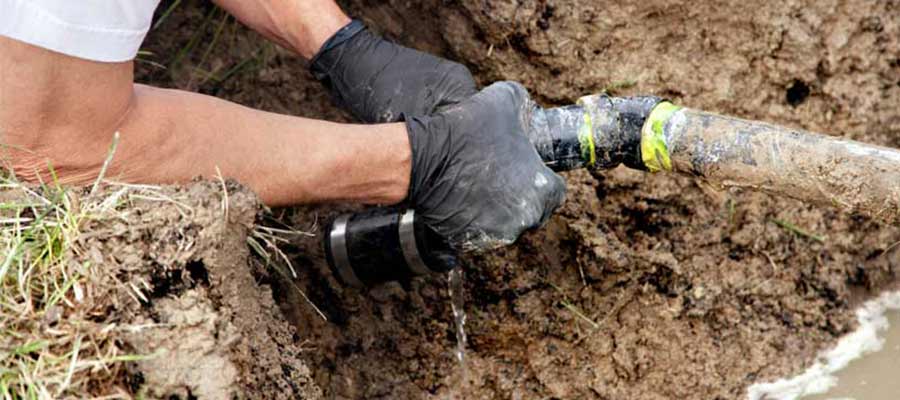
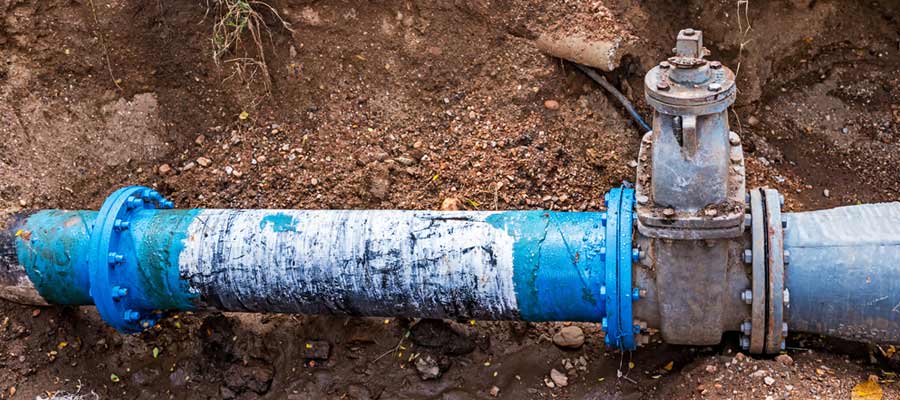
- Excavation and Installation: Once approved, we install the septic tank — typically concrete or fiberglass — and the drainfield or “leach lines.” Proper grading ensures wastewater flows efficiently and safely.
- Final Inspection and System Testing: We never backfill until the county inspector has approved the installation. Afterward, we test the entire system to confirm flow, venting, and absorption performance.
- Maintenance Orientation: After installation, we educate homeowners on routine care, including pumping schedules and warning signs of failure.
Traditional vs. Modern (Trenchless) Installation
Miami’s variable soil and dense suburban sprawl make trenchless technology increasingly popular. Here’s how they compare.
- Traditional Septic Installation: This method involves open excavation and larger machinery. It’s cost-effective for new construction or rural properties with plenty of yard space. However, it can disrupt landscaping and takes longer to restore.
- Trenchless or Low-Impact Installation: Trenchless methods minimize digging and preserve more of your lawn. Using guided boring and specialized piping, we can install or replace system components with less disruption — ideal for homes in Cutler Bay or Country Walk, where space and aesthetics matter.
Both methods have their place. The right choice depends on property layout, soil conditions, and budget — factors we evaluate during the site visit.
Cost Factors for Septic System Installation
The cost of installing a septic system in Miami-Dade County typically ranges based on several factors.
- Property Size and Soil Conditions: Sandy soil absorbs faster than clay, reducing the need for extended drainfields. However, high groundwater in coastal areas like Palmetto Bay may require raised mounds or engineered designs.
- Tank Material and Capacity: Concrete tanks last longer but cost more upfront than plastic. For large homes or multi-family units, a higher-capacity system increases both material and installation costs.
- Permit and Compliance Fees: Miami-Dade’s permitting process includes environmental impact reviews and inspections, which can affect project timelines and total investment.
- Accessibility and Terrain: Tight lots or properties with existing landscaping can increase labor time and complexity, especially when using low-impact trenchless methods.
Our team provides transparent, written estimates and walks you through every cost factor before any work begins.
Septic System Maintenance and Longevity
- Once installed, a well-designed septic system can last 25–40 years — but only with proper maintenance.
- Regular pumping (every 3–5 years), careful waste disposal, and annual inspections prevent costly failures. In Miami-Dade’s humid climate, it’s also smart to protect the drainfield area from heavy vehicles or water runoff that can compact the soil.
- We also offer smart monitoring options, letting homeowners track system performance through Wi-Fi-enabled sensors — ideal for tech-forward homeowners upgrading from older setups.
Permits, Codes, and Compliance in Miami-Dade
Miami-Dade County has strict rules for septic installation due to environmental sensitivity and proximity to the Biscayne Aquifer. Every system must comply with Chapter 64E-6 of the Florida Administrative Code, which governs design, setbacks, and capacity.
Flood-prone areas may require elevated systems or sealed tanks to prevent contamination during hurricanes. As licensed and insured contractors in the entire state of Florida, our team manages all permitting and ensures compliance from start to finish.
The Pros and Cons of Septic Systems in Miami-Dade
The Pros: Septic systems offer independence from municipal sewers, lower monthly bills, and long-term sustainability for homes outside city lines. For properties in Redland or Goulds, a well-maintained septic tank adds resale value and reliability.
The Cons: They require consistent maintenance and inspection, and in flood-prone or high-water-table areas, improper installation can lead to contamination or backup risks. That’s why professional installation — not shortcuts — makes all the difference.
Preventive Tips from a Master Plumber
- Schedule Pumping Regularly: Avoid waiting for problems. In Miami’s heat, anaerobic bacteria break down waste faster, but solid buildup still occurs over time.
- Watch What You Flush: Limit grease, wipes, and chemicals — they clog and kill the bacteria that keep your tank healthy.
- Divert Surface Water: Rain runoff should never pool near your drainfield. Add swales or French drains if necessary.
- Book Annual Inspections: Early detection of leaks or sludge buildup can save you thousands in repairs.
Why Choose Residential & Commercial Plumbing Diagnostics of Miami
With over 28 years of plumbing expertise, our licensed team understands Miami-Dade’s unique soil, rainfall, and permitting challenges better than anyone. From Homestead to Doral, Redland to Kendall, we’re trusted for professional, code-compliant septic system installations that stand the test of time.
We’re family-owned, woman-led, and fully licensed and insured across Florida. Our commitment goes beyond plumbing — it’s about protecting your home, your investment, and Miami’s environment.
Call to Action
Ready to install or replace your septic system in Miami-Dade County? Call the local experts at Residential & Commercial Plumbing Diagnostics of Miami today at (786) 250-4557 or visit https://plumbing-diagnostics.com to schedule your consultation.
Whether you’re building new in Homestead, replacing an old tank in Cutler Bay, or upgrading to a modern drainfield in Redland, we’ve got the tools, knowledge, and experience to do it right — the first time.